Lead story / android
Court Orders Google to Allow Rival Android App Stores
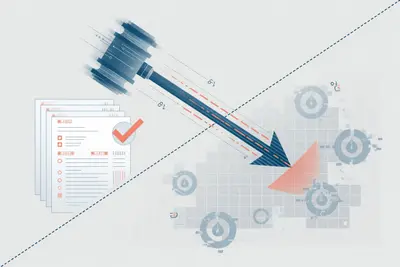
After a settlement fell apart in court, Google must open Android to competing app marketplaces by July 22, and it will still collect fees from rivals.
The Revision reporting on Policy — 158 stories on the wire, decoded into one clear voice.
After a settlement fell apart in court, Google must open Android to competing app marketplaces by July 22, and it will still collect fees from rivals.
Ofcom's first major report on the Online Safety Act shows age verification scaling fast, while search engines and dating apps remain weak links.
A federal judge halted a Trump administration policy that used visa rules to target researchers working in misinformation, fact-checking, and trust and safety.
Google's video platform is appealing an addiction verdict by arguing it belongs in a different category than Meta and other social networks.
The FCC plans to replace a hard congressional limit on TV reach with case-by-case reviews, a shift critics say favors Trump-aligned broadcasters.
A court-ordered remedy, triggered by Epic's 2020 Fortnite dispute, forces Google to distribute competing app stores through Google Play.
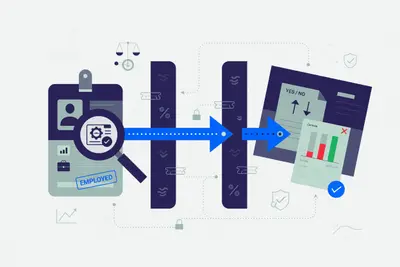
A new lawsuit alleges Meta used an AI system to identify employees with medical conditions and route them toward layoffs, which Meta flatly denies.
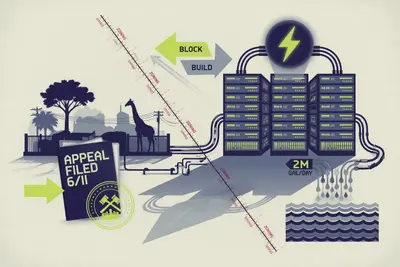
Governor Hochul's executive order halts hyperscale data center construction at 50 MW or more while Albany writes rules on power, water, and community costs.
New rules bar children from forming romantic or dependent relationships with chatbots, part of Beijing's push to address low birthrates and screen dependency.
A proposed Delaware AI legal entity would let autonomous systems run companies and face lawsuits under their own name, inside a supervised sandbox.
A federal judge ruled Section 230 shields Apple from liability over child abuse imagery stored in iCloud, handing the platform a legal win.
Twenty-six plaintiffs claim Meta's internal AI tools penalized workers on medical leave and disability accommodations during May's 8,000-person cut.
Twenty-six former employees allege Meta's layoff algorithm targeted workers with disabilities and those on protected leave.
Twenty-six current and former employees claim Meta's AI systems used productivity and token usage metrics to flag workers on medical leave for cuts.
Governor Kathy Hochul has paused all large data center construction in New York, citing electricity costs, water use, and local oversight concerns.
Governor Hochul's moratorium on data centers drawing 50 MW or more is the first statewide construction ban in the US, and it has the AI industry nervous.
Governor Hochul signed a moratorium on data center projects of 50 MW or more, making New York the first US state to enact a statewide ban.
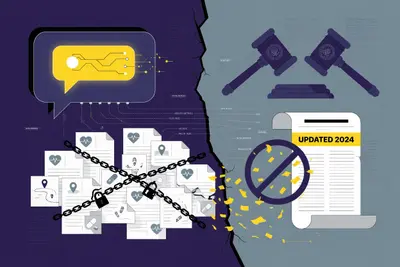
A new consent toggle in Samsung Health gives users one choice: share sensitive health data for AI training, or lose all their synced data permanently.
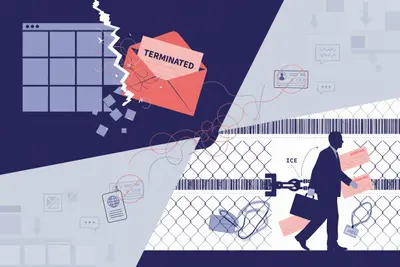
A bug in Apple's own systems let a former employee retain server access for weeks after termination, allegedly funneling confidential data to OpenAI.
Apple's lawsuit accuses OpenAI of soliciting hardware secrets from job candidates and tricking a partner into revealing proprietary design techniques.
Apple's lawsuit names OpenAI and two former Apple employees, alleging they stole proprietary specs, prototypes, and techniques to fuel OpenAI's hardware push.
The European Commission says autoplay and infinite scroll on Meta's platforms break EU law, with fines of up to 6% of global revenue on the table.
Apple claims OpenAI used job interviews as cover to extract hardware prototypes, naming the AI lab's chief hardware officer in a federal lawsuit.
Apple claims former employees carried proprietary hardware secrets to OpenAI and its newly acquired device startup IO Products.
Apple alleges OpenAI ran a coordinated campaign to extract confidential AI hardware details through former Apple employees.
A system already running in over 100 UK stores is about to escalate from flagging shoppers to calling police automatically, in real time.
A Singapore loophole lets companies on the US military blacklist purchase advanced AI from OpenAI and Google, raising questions about export controls.
The EU Commission ruled Instagram and Facebook's addictive design violates the DSA, a key test of Europe's new platform accountability law.
The federal auto safety chief says self-driving cars blocking ambulances and firefighters at emergency scenes cannot continue.
Federal safety regulators say they have identified a pattern of autonomous vehicles obstructing emergency response, and they want AV makers to solve it.
A new paper finds that 55% of highly-cited public administration studies leave the AI system they examined technically unspecified.
Sarah Breeden warns that autonomous trading agents reacting in lockstep could amplify volatility in ways existing rules were not built to handle.
A new paper argues the EU's AI rulebook can't answer a basic question: when is an updated AI system still the same system?
A new analysis finds that US and EU policymakers are writing laws about AI content labeling faster than the underlying detection methods can support them.
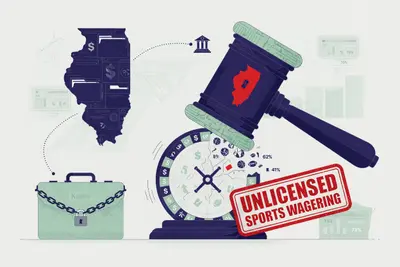
Illinois classified Kalshi as an unlicensed sports wagering operator, exposing the prediction market to taxes and potential felony charges.
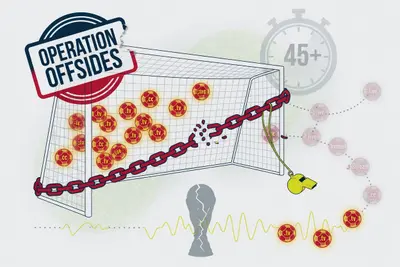
Operation Offsides took down nearly 400 illegal streaming domains mid-tournament, but history suggests the sites will resurface before the final whistle.
Senators Warren and Scanlon are reviving a 2022 data-broker bill, updated to cover what users share with AI chatbots like ChatGPT and Claude.
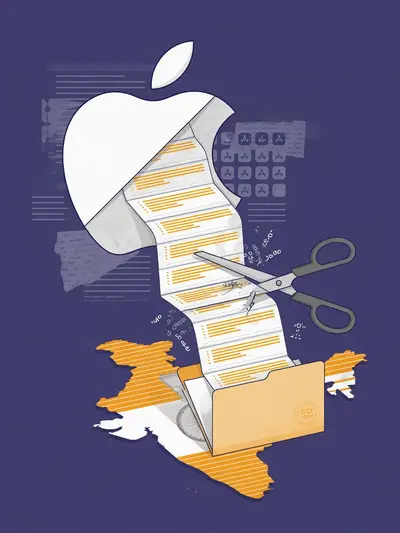
Apple told India's Competition Commission its 2024 findings on App Store conduct were lifted verbatim from rivals, not independently verified.
A coalition of nearly 400 US local newspapers has filed the largest copyright lawsuit local journalism has brought against AI companies.
With DRAM prices up fourfold, Apple is pressing the Trump administration to let it buy chips from Pentagon-listed CXMT.
The Off-Facebook Activity feature, which let users disconnect browsing data from their profiles, is reportedly going away in July 2026.
The White House has asked OpenAI to stagger the rollout of GPT-5.6, mirroring the export-control fate that already pulled Anthropic's Fable 5 from the market.
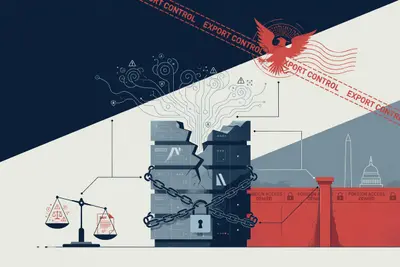
Customs officers found advanced AI chips hidden inside 72 server units declared as ordinary computer components in a free trade zone.
FCC Chairman Brendan Carr is proposing to scale back or eliminate E-Rate, citing student screen time concerns.
New rules require Spanish carriers to maintain mobile service for at least four hours when the power goes out.
The federal government denied Polestar's authorization request under the Connected Vehicle Rule, ending US sales of its EVs from model year 2027 onward.
The former Meta executive and Careless People author has flipped the legal dynamic, now suing the company that spent over a year trying to quiet her.
The European Commission is preparing to formally designate the two cloud giants under the Digital Markets Act.
The Commerce Department denied Polestar authorization to sell new models in the US, citing rules barring connected cars from automakers with Chinese ties.
Forced by its Epic Games antitrust loss, Google will drop fees to as low as 10% and allow alternative payments across most major markets by June 30.
A class action accused Disney of forcing YouTube TV and DirecTV subscribers to pay more by bundling ESPN into base packages.
A proposed FCC rule requiring name, address, and government ID from all phone customers could end anonymous prepaid phone use in the name of stopping robocalls.
Google is rolling out lower, decoupled app store fees worldwide next week, ahead of final approval of its Epic antitrust settlement.
Anthropic backed a pro-safety candidate while OpenAI's super PAC spent to beat him - and a third candidate won the seat anyway.
The Netherlands just became a full Pax Silica member, but the MATCH Act's rules on servicing chip equipment in China put ASML in a bind.
A White House app pushed to millions of government employees' work phones auto-reinstalls after deletion, alarming federal workers at multiple agencies.
Every major US AI developer has agreed to federal security reviews except Meta, which the Trump administration is now pressing to comply.
Tesla says the driver floored the accelerator to 100%, overriding Full Self-Driving, before a Model 3 struck a home and killed a 76-year-old woman.
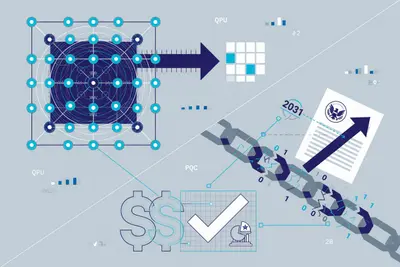
A new executive order splits the federal quantum-security migration into two phases: encryption by 2030, authentication by 2031.
The FCC is questioning whether The View qualifies as a news program, and ABC is turning its own airwaves into a lobbying tool to fight back.
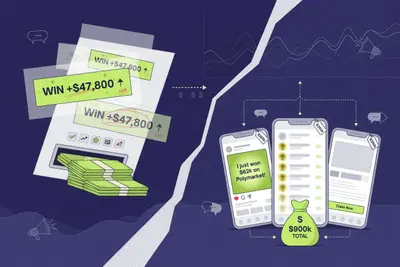
A Wall Street Journal investigation found Polymarket paid creators to post ads showing fake wins and dummy sites, totaling about $900,000 in fabricated payouts.
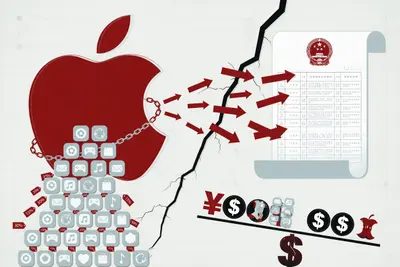
A group of Chinese iOS developers petitioned China's market regulator, alleging Apple broke a promise to offer them the lowest available commission rate.
Federal safety regulators are investigating a deadly crash where the driver claims Full Self-Driving was active, a claim Tesla's CEO disputes.
Brussels is preparing formal findings that Facebook and Instagram use exploitative design to hook children, a case that could cost Meta 6% of global sales.
Meta quietly ran a program logging employee keystrokes and screen activity, then killed it after someone inside leaked details of the surveillance.
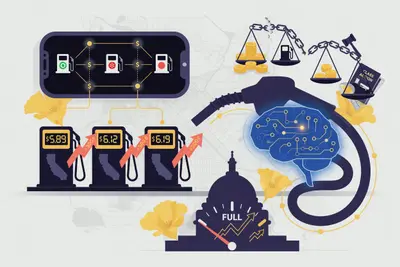
A Sacramento class action claims Kalibrate's AI pricing tool helped BP, Circle K, and others push California pump prices as much as 30 cents higher.
Two executive orders set a 2028 hardware target, push the post-quantum cryptography deadline to 2031, and tie $2 billion in grants to government equity stakes.
A Texas crash has left one woman dead after a Tesla with its automated driving assistance system engaged struck a home in Katy.
Washington last week banned foreign access to Anthropic's Mythos and Fable, and some technologists say its risk warnings invited the move.
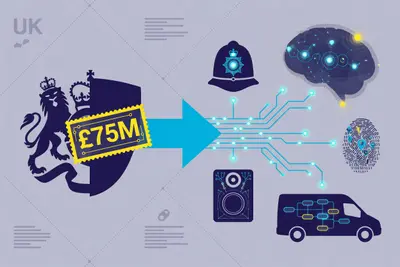
The Home Office launched PoliceAI, a £75 million initiative to bring artificial intelligence tools into UK law enforcement.
Researchers say a simple "fix this code" prompt, not a jailbreak, triggered federal scrutiny of the AI model Fable 5.
Students walked out on Google's CEO at Stanford's graduation over the company's AI ties to Israel and U.S. immigration enforcement.
San Francisco is revisiting a municipal utility buyout it has attempted, and abandoned, for roughly a century — this time blaming soaring electricity costs.
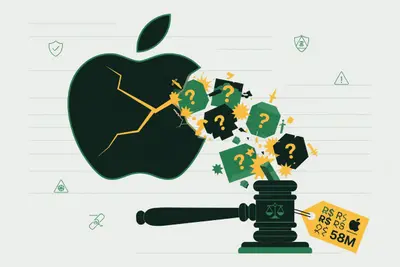
A Brazilian court ordered Apple and several other companies to pay nearly $60 million over loot boxes in games minors could access.
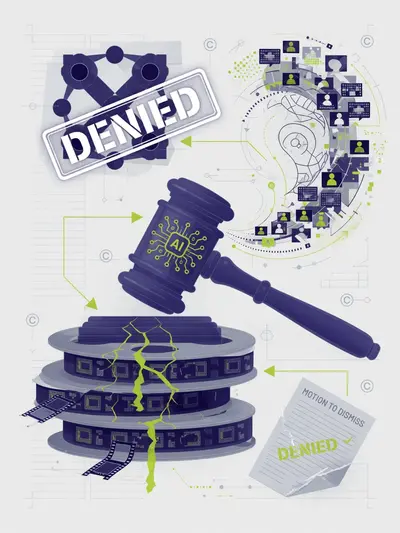
A federal judge let a copyright lawsuit proceed, finding Meta's 'personal use' explanation for torrenting 2,300-plus adult films implausible.
Tamil Nadu's pollution board is threatening to close a Tata iPhone parts plant after farmers reported wastewater contaminating their land and open wells.
BlackCore is now linked to alleged influence operations in New York City, Scotland, and France, expanding the mapped geography of for-hire election meddling.
A coalition of state attorneys general is requesting documents from OpenAI in a coordinated probe of the company's activities.
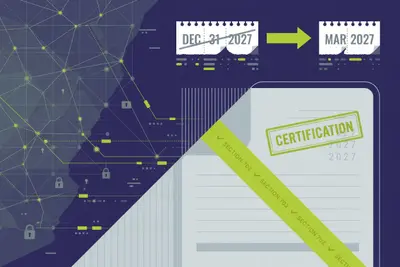
The spying law lapsed at midnight, but an existing court certification keeps Section 702 collection running until March 2027.
The self-driving system drifts into a protected cycling lane 12 seconds into the footage Tesla submitted for Danish regulatory approval.
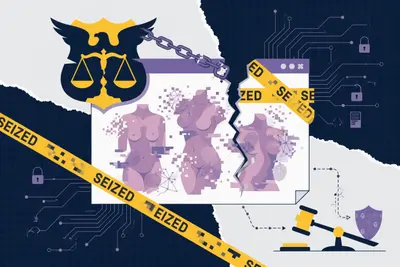
The Justice Department used the Take It Down Act to seize a site hosting computer-generated fake celebrity nudes, testing how far the law reaches.
EU regulators are considering whether existing surveillance law covers camera-equipped glasses that silently record bystanders in public.
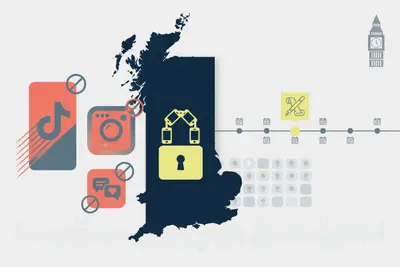
The UK's under-16 social media ban covers six major platforms and borrows its enforcement tools from the country's pornography age-verification law.
Demonstrators demanded Palantir's removal from an NHS data contract, citing privacy concerns and the company's history with US intelligence work.
A wrongful death lawsuit claims OpenAI's chatbot failed to intervene before a child died by suicide, adding to a growing pile of similar litigation.
The American Innovation and Choice Online Act is back four years after stalling, with a bipartisan push to bar dominant platforms from favoring their own products.
The House voted 218-198 against a short FISA extension, letting the warrantless surveillance program lapse while Congress debates what warrant rules to attach.
Parliament introduced legislation that would prohibit social media platforms from serving users younger than 16, though it is not yet law.
Meta has cut the Chinese-founded agentic AI startup off from its systems and is sunsetting the platform after Beijing demanded the acquisition be reversed.
New research found dozens of monetized YouTube channels run by people and organizations the US has sanctioned for their ties to Iran.
A first-of-its-kind estimate finds US users are moving billions of dollars on Polymarket, which officially bars American traders.
Rights groups say Iran's partial internet restoration is not a concession and warn that another blackout is coming.
The PIPC's ruling is the largest privacy penalty in South Korean history, nearly tripling the fine it levied on SK Telecom last year.
A 330,000-signature petition and a zoning appeal have pushed Nashville toward a sweeping ban on hyperscale data centers near the city's zoo.
Workers' Daily, the official organ of China's state-controlled trade union federation, has called on the government to put guardrails on AI job displacement.
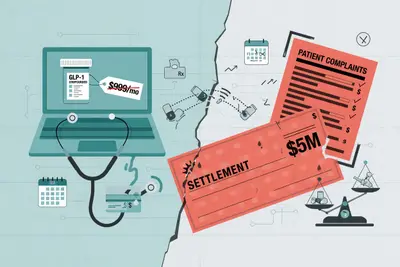
A telehealth network selling compounded weight-loss drugs kept defrauding customers even after paying $5 million to clients under a federal settlement.
Robert Dillon, who lives 300 miles from the alleged crime scene, says police ignored license plate data that would have cleared him.
The administration wants a three-year federal freeze on state AI laws, bundled with KOSA and other child safety bills.
The move comes as the CFTC drafts its first prediction market rules and a string of insider trading arrests keeps piling up.
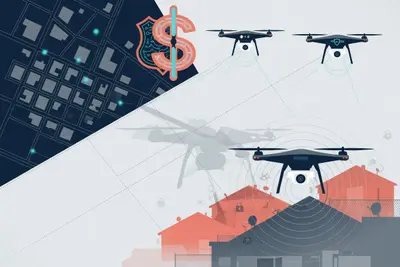
Stockton approved millions in Flock drones for first response, but residents say the city is building an aerial surveillance network dressed as public safety.
A recently laid-off Meta employee was detained by immigration enforcement agents, with colleagues discussing the incident on internal company message boards.
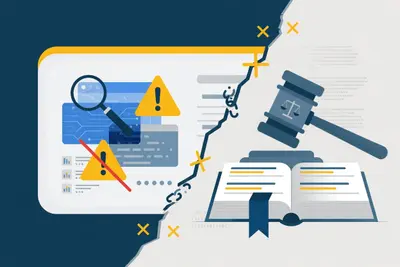
A German court finds Google liable for AI Overviews that falsely tagged two publishers as scammers, rejecting the standard 'AI makes mistakes' defense.
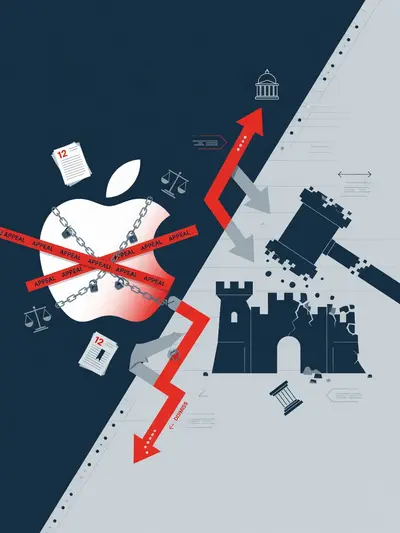
Apple's lawyers filed a 12-page brief turning each of Epic's arguments for dismissal into reasons the Supreme Court should take the case.
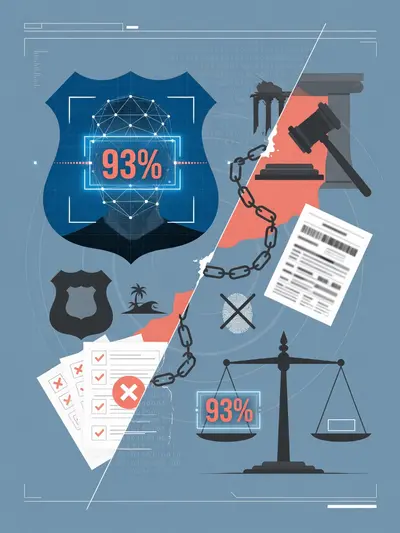
The ACLU is suing two Florida police departments after officers treated a face-recognition match in a child-abduction case as definitive proof of identity.
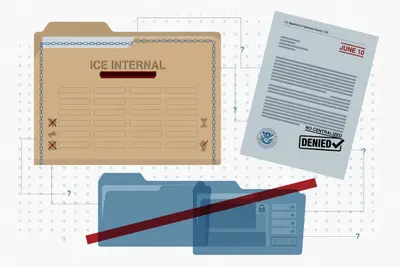
ICE says it has no protester database, but a letter to Congress offers a more detailed account of what the agency actually does.
The city council voted for a year-long moratorium on new data center construction while officials draft rules the industry doesn't yet have to follow.
Face recognition and anti-drone systems are being deployed at 2026 World Cup venues across three countries with distinct privacy laws.
A proposed FCC identity-verification requirement aimed at robocallers could eliminate anonymous prepaid phone service as collateral damage.
A European Commission spokesperson says Apple resisted requirements designed to let competing AI assistants operate on equal footing on iPhones.
Apple says the Digital Markets Act is why its AI-powered Siri won't reach EU users, a framing that puts pressure on Brussels.
The European Commission gave Meta five working days to restore access for competing AI assistants, citing irreversible harm to competition.
The EU Commission rejected Apple's bid for a regulatory carve-out, and Apple's response was to simply not launch.
The Dutch government will vet foreign stakes in AI firms starting January 2027, years after Nexperia's acquisition exposed gaps in the existing screening rules.
A proposed blanket ban would go further than blacklist-based controls, turning any AI chip sale to China into a potential crime.
Roskomnadzor wants to fix the developer access problem it created by proposing a VPN it fully controls - which rather misses the point of a VPN.
Keir Starmer's mandate to block explicit content on children's phones has privacy advocates warning the scanning infrastructure will outlast its stated purpose.
A proposed FCC rule would require telecoms to verify every subscriber's identity, effectively ending anonymous prepaid phone service in the US.
Meta says it isn't collecting new data — it's just doing more with what retailers already hand over.
The government may trigger a 2027 break clause to exit the deal, signaling that its political cost has finally caught up with it.
Britain is reviewing its NHS partnership with the US analytics firm and has not ruled out walking away before the contract ends.
Hundreds of Azure positions cut in China signal that US-China tech decoupling has reached cloud infrastructure itself.
The Defense Department's updated list now names two of China's most recognizable tech companies, adding political risk to any U.S. business dealings with them.
New research tracks a six-month surge in violent threats on Facebook following Meta's content moderation rollback, including threats against Trump.
The city council votes on a one-year pause as Amazon's own staff testify against the data center boom reshaping their city.
The FCC has pushed back a key build-out milestone for Amazon's low-Earth orbit satellite internet project, easing a requirement under its operating license.
The FCC waived a deployment deadline for Amazon's satellite constellation, explicitly citing the public interest in a second major broadband provider.
The Defense Department's 1260H list now names 188 companies, and the latest additions include some of the most recognizable brands in global tech.
EU regulators rejected every proposal Apple submitted to bring its redesigned Siri to Europe, leaving iPhone users there without even a rough launch date.
The FCC issued Amazon a conditional waiver on its satellite deployment deadline but stripped its spectrum priority, giving far less than the two-year extension it requested.
French regulators fined Nintendo $40 million over defective Joy-Cons, a hardware complaint that has shadowed the Switch for years.
San Diego State installed hundreds of AI-enabled cameras in residential housing without telling the students who live there.
ERCOT says power-hungry data centers and crypto mines are failing electrical stability tests, adding new fragility to an already stressed grid.
Researchers writing in Science argue the internet's foundational design — not just bad actors or platform choices — poses structural risks to democracy.
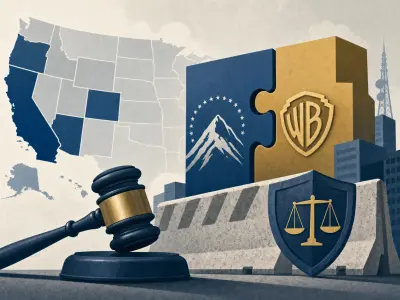
A multi-state legal challenge would layer state antitrust pressure onto a merger that already drew a formal probe from California's attorney general.
The Bank of England governor says AI's energy demand may require rationing, framing what the industry calls an infrastructure problem as a political one.
A House proposal would preempt all state AI rules, centralizing oversight in Washington just as states have become the country's most active AI regulators.
Epic filed a brief opposing Apple's Supreme Court petition to challenge two rulings on off-App-Store payments, asking the justices to let them stand.
Apple now requires Texans to confirm they are 18 to open an account, with minors needing parental approval to download apps or make purchases.
UK regulators told Google to cite its sources in AI Overviews and give publishers an opt-out, rejecting Google's claim that users prefer fewer links.
A new lawsuit claims Ring's doorbell cameras capture facial data from passersby who never consented to being scanned.
A class action filed in Seattle claims Ring's Familiar Faces feature stores strangers' facial images without their consent.
Officials have seized ballots in four states with no legal precedent to guide what comes next, and the midterms are approaching fast.
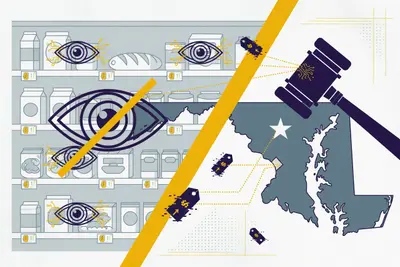
The state is the first to target 'surveillance pricing' in supermarkets, but enforcement details remain thin.
The Academy has ruled that films using AI for actors or scripts cannot compete for Oscars, marking the industry's first explicit stance on machine-generated content.
The FCC banned new consumer WiFi routers and mobile hotspots made outside the US, citing supply chain security concerns.
The theme park confirmed it deployed facial recognition at its California entry points, joining a growing list of venues experimenting with the controversial technology.
Free ChatGPT users are now opted into marketing cookies by default, letting OpenAI track them for ad targeting and subscription conversion.
The Oscars just codified what was already true — and what may not matter much anyway.
A super PAC backed by OpenAI and Andreessen Horowitz executives paid TikTok creators to promote AI development while framing China as a threat.
The Senate Ethics Committee enacted a new rule after reports surfaced that candidates had wagered on their own races.
Minnesota's new law hits app developers with $500K fines, targeting creators not just users of AI undressing tools.
The world's largest digital rights conference was called off after Zambia, under pressure from Beijing, demanded organizers exclude Taiwanese participants.
The Defense Department is expanding its AI vendor lineup after a dispute with Anthropic, opening classified networks to three major cloud and chip providers.
YouTube's recommendation system pushes Russian content to children in Kyrgyzstan even when they search for Kyrgyz-language videos, raising concerns about cultural preservation.
The president nominates a television doctor to lead the nation's top public health role, escalates feud with Louisiana senator.
The US now ranks below Ukraine in the 2026 Press Freedom Index, with global media freedom at its lowest point in 25 years.
The company says it may exit the state if a judge grants New Mexico's requests in an ongoing privacy case.
OpenAI is resisting a demand for 20 million ChatGPT conversations, framing a legal discovery fight as a user-protection effort.