Lead story / soft-clustering
New Python Toolkit Standardizes Soft Clustering Methods
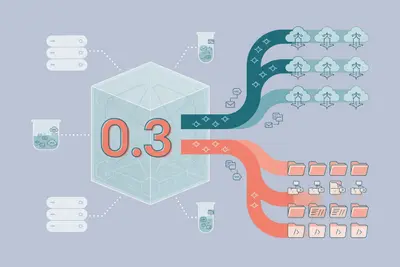
SCPP wraps 40 fuzzy, probabilistic, and deep-learning clustering algorithms into one scikit-learn-style interface for benchmarking.
The Revision reporting on Dev Tools — 69 stories on the wire, decoded into one clear voice.
SCPP wraps 40 fuzzy, probabilistic, and deep-learning clustering algorithms into one scikit-learn-style interface for benchmarking.
A new benchmark testing whether language models can reason through formal Rust proofs finds they crumble when steps go missing.
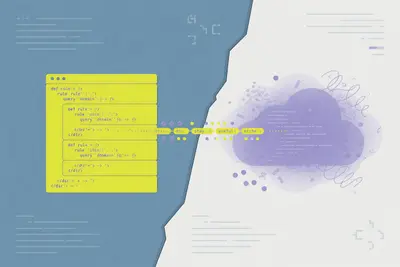
A new domain-specific language enforces AI coding workflows step by step, driving a 14-22 point SWE-bench Verified gain over prose instructions.
TDD-Agent has the model write tests before code, then refines both together with execution feedback, beating retrieval and agent baselines on repo-level tasks.
RAGas is a new research framework that uses AI to spot and fix wasteful Ethereum code, cutting gas costs by up to 11% in tests.
A new research framework combines LLM code rewrites with traditional compiler checks and formal verification to catch mistakes before they ship.
OGX, a two-year-old open-source server, lets developers swap AI inference engines, vector stores, and safety tools without rewriting agent code.
A research system predicts why code changed, flags AI drift from that intent, and highlights the lines that most need human review.
A new study finds LLM confidence when writing code tracks language design more than correctness, with Shell scoring worst and Java best.
The kernel's creator backed an AI-assisted review tool and told skeptics to fork the project or leave, marking a clear shift from his 2024 skepticism.
A new parallel algorithm finds conditional data dependencies up to 318 times faster, making large-dataset profiling practical on ordinary hardware.
A new testing system runs real browser interactions to catch dynamic WCAG failures that page-level scanners and manual audits routinely overlook.
A new paper shows that most web servers already have what they need to stop stalling on hardware offloads — no framework rewrite required.
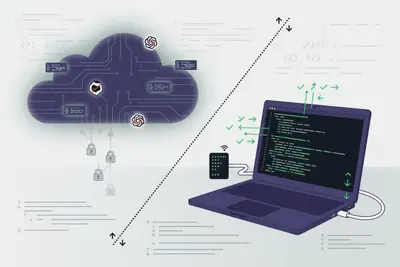
The CUDA-on-AMD translation layer drops commercial backing for the second time, but version 6 still lands 32-bit PhysX support and PyTorch fixes.
Cursor's new iOS app lets developers start and monitor AI coding sessions from their phone, tethered to the desktop client.
The latest Git release teaches repack to write incremental multi-pack index chains, cutting the cost of routine maintenance on large repositories.
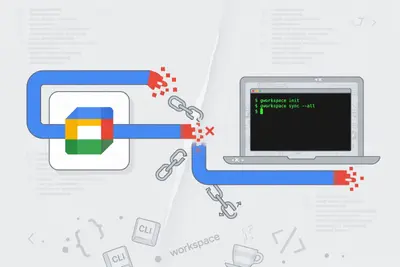
Justin Poehnelt says Google terminated his employment after he created a command-line tool for Google Workspace.
The community-built Swift package registry has joined Apple, though what the arrangement actually looks like remains publicly unclear.
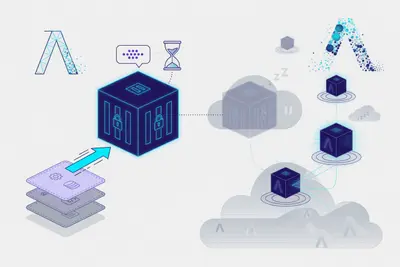
Lambda MicroVMs give developers per-user Firecracker sandboxes that launch from snapshots, retain state, and suspend when idle - no VM expertise required.
A new multi-agent framework lets large language models read compiler internals and runtime feedback to beat hand-tuned optimization settings.
An open-source platform with 45-plus pre-built components wants to stop conversational search teams from rebuilding the same pipeline for every study.
A new framework combines retrieval-augmented generation and fine-tuning to automatically rewrite Python for better runtime performance.
A community thread on replacing cloud AI with local models for daily coding drew 59 upvotes, a sign developers are taking the question seriously.
The Bytecode Alliance ships the third WASI preview, adding native async support to close the biggest gap in the WebAssembly component model.
A developer argues their domain-specific language still makes sense in a world where language models generate code from plain English.
Encrypted Spaces is an open-source framework that gives developers the building blocks for Slack-style apps that even the platform operator cannot read.
A developer post-mortem on WebRTC failures is a useful reminder that VPN mesh networks quietly reshape device networking in ways that break peer discovery.
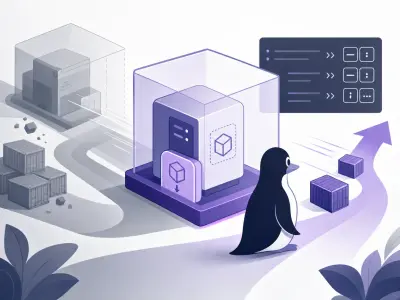
Apple's container tool for macOS wraps each Linux container in its own lightweight VM, trading density for stronger isolation.
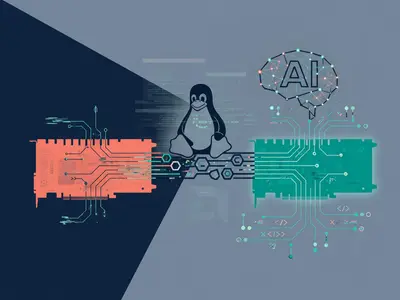
Community developers are applying vibe coding to older AMD GPUs that lost official Linux support — no kernel expertise required.
The API integration platform published a technical breakdown of how it isolates customer-written code without letting one bad script take down the rest.
Apple's WWDC26 developer recap reveals Foundation Models rebuilt using Google's Gemini technology, while Anthropic, OpenAI, and Google all get native Xcode agent access.
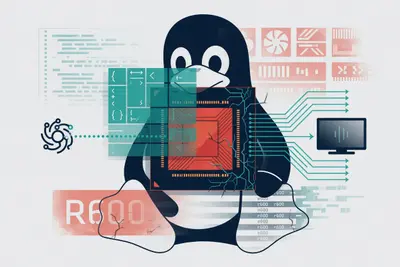
A Linux developer used GitHub Copilot to refactor the R600 driver, keeping AMD Radeon HD 2000 through HD 6000 cards alive on Linux.
The CRDT framework argues that concurrent creation of data structures deserves the same principled merge semantics as concurrent edits.
Nightwatch plants read-only agents inside each environment to group alert storms and hand investigators a head start, not a remediation bot.
A new GitHub library attempts what Google Docs and LibreOffice have long struggled with: rendering Office documents in the browser without layout drift.
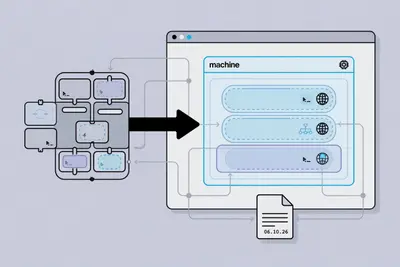
Version 6 of the daemonless container runtime focuses on making the VM-backed machine setup less painful on macOS and Windows.
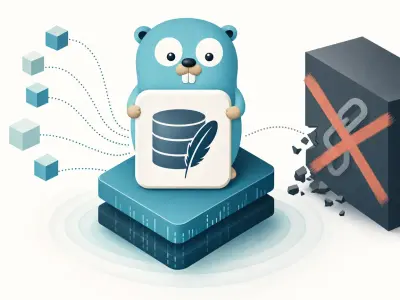
The cznic/sqlite package transpiles SQLite's C source into pure Go, cutting the CGo dependency that breaks cross-compilation and complicates container builds.
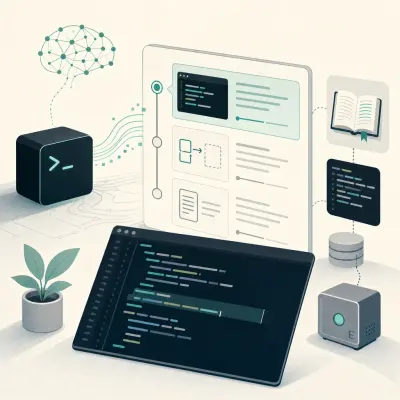
A new open-source CLI generates source-backed tutorials for obscure technical domains and makes you type every line yourself.
An open-source proxy tool lets developers intercept and rewrite HTTP requests without installing a desktop app.
ntsc-rs is a free emulator that adds authentic analog TV noise and VHS degradation to digital video, no plugin subscription required.
Python's governing body has formally asked the team behind CPython's experimental JIT compiler to halt development, raising questions about the feature's future.
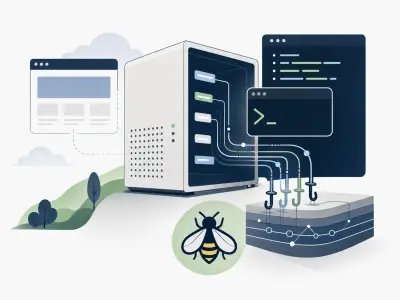
A new project ditches config files in favor of eBPF programs that hook directly into Linux's kernel networking stack.
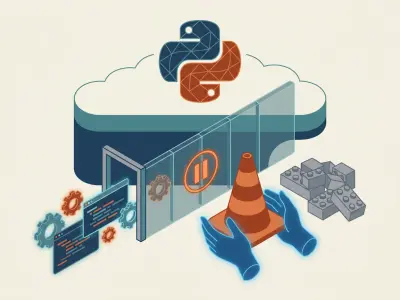
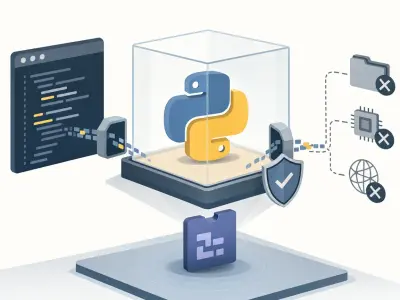
A stripped-down Python runtime compiled to WebAssembly provides an isolation layer for untrusted code execution without containers or a full interpreter.
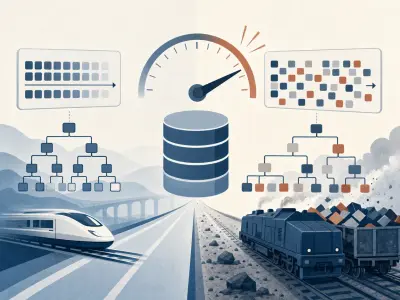
A developer deep-dive explains why the UUID-as-primary-key habit, imported from distributed databases, quietly taxes SQLite performance.
pg_durable lets developers run crash-safe, resumable workflows directly in PostgreSQL, skipping the separate orchestration service entirely.
A new Microsoft initiative gives Godot engine developers a clearer path onto Xbox's PC platform, a modest but pointed step for the indie game ecosystem.
Lowfat strips noisy CLI output before passing it to AI agents, cutting token counts by 90%-plus on commands like grep, docker, and kubectl.
An open-source ESP32 project reimagines the Bus Pirate with a WiFi-hosted web CLI, removing the serial terminal from hardware debugging.
A WebAssembly build of FFmpeg runs entirely in your browser tab, with local-only processing and offline support after the first load.
A kernel-level change to how WSL 2 allocates DMA bounce buffers for virtiofs should cut latency when Linux reads Windows files.
Elixir now lets developers add type annotations incrementally, joining Python and JavaScript without forcing a full rewrite of existing codebases.
An open-source disassembly library handles machine code across more than a dozen architectures and quietly underpins much of today's binary analysis tooling.
The reactive Julia notebook that auto-updates dependent cells on change has shipped its first stable release, committing to a durable API.
A new open-source project ships a single coding agent interface across three platforms, targeting a gap most commercial tools have ignored.
Gleam v1.17.0 borrows Erlang's escript mechanism so developers can run a BEAM program from one file, no project setup required.
Microsoft's new open-source framework generates AI behavior tests from plain-text descriptions, aiming to lower the bar for model evaluation.
A new open-source tool lets teams record and replay browser sessions without sending user data to a third party, using one durable stream per session.
A new Microsoft GitHub project offers standard Unix command-line utilities for Windows, extending the platform's long push toward developer portability.
A 2020 lab guide resurfaced showing how to connect to a free full BGP routing table, normally gated behind ISP peering agreements or paid subscriptions.
A developer built a TUI for managing Linux services, but systemd already has plenty of tools.
One engineer argues that meticulously documenting requirements in YAML builds clearer thinking than letting AI tools do the heavy lifting.
A retro look at how Microsoft’s Windows API became a unexpected bridge between operating systems.
A fintech startup's engineering team explains why it bet on a notoriously difficult programming language at scale.
The Clojure-focused funding organization announces its latest round of grants to maintainers in the ecosystem.
A scraper collects Hacker News comments to rank which AI coding models developers actually discuss.
A developer reflects on half a decade of refining Apple's smallest mapping platform.
The open-source browser project continues its slow-and-steady development approach, with monthly update covering engineering work and community activity.
GitHub's editor is tagging AI as a co-author on every commit, even when Copilot is disabled or not installed.
A technical post breaks down how Codex CLI sequences model calls, tool use, and prompts through OpenAI's Responses API.