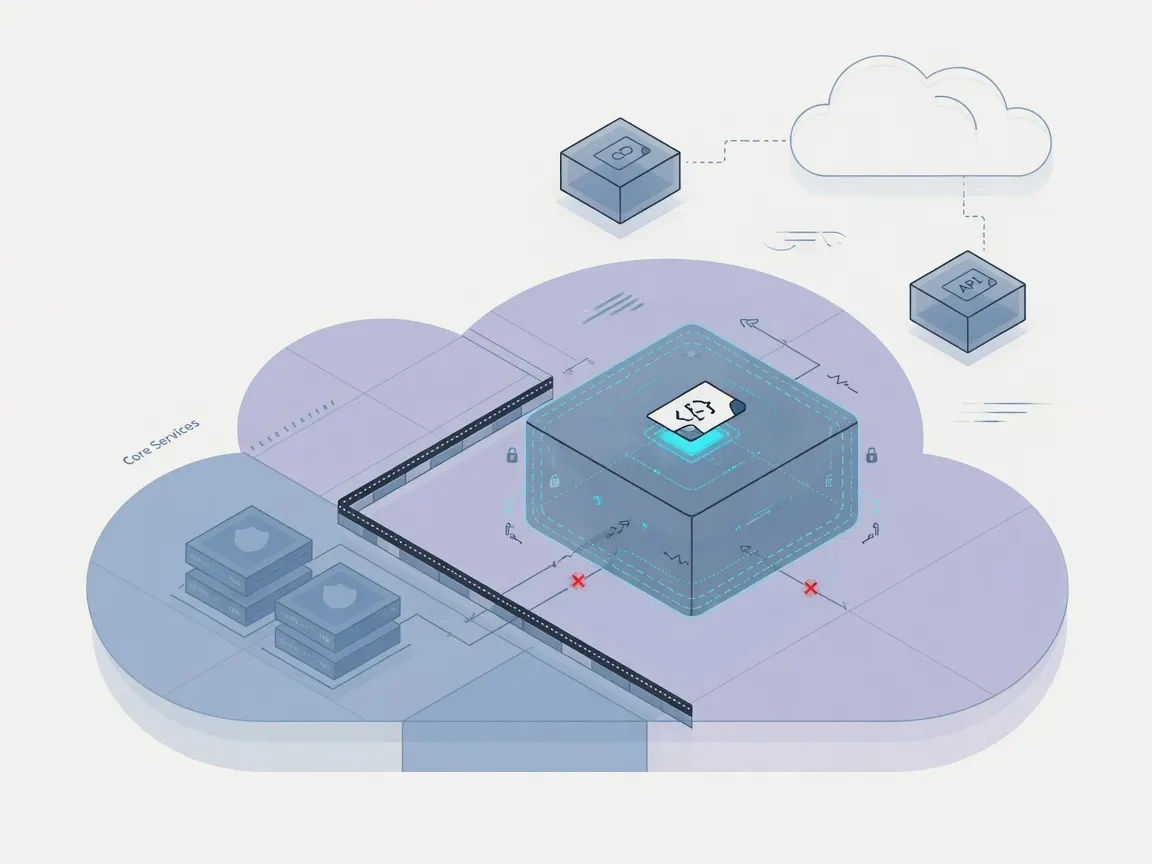
Nango, which builds infrastructure for connecting APIs, published a detailed look at how it safely executes code that customers write and submit.
Integration platforms face an inherent tension: they promise developers total automation, which often means running arbitrary scripts on shared infrastructure. Nango's product lets customers write custom logic that executes inside Nango's systems, creating a classic multi-tenant sandboxing problem. One tenant's runaway loop or memory spike cannot be allowed to affect everyone else. The company's post walks through how they approached isolation, resource limits, and failure handling at scale.
Safely running untrusted code is well-understood in theory but consistently hard in production. Solutions cluster around VMs, container isolation, and language-level sandboxes like Deno's permission model. What's rarer is a production company publishing which tradeoffs it chose and why, since most treat execution infrastructure as a competitive secret.
That said, a company's blog post about its own architecture is also a trust signal for enterprise buyers and a recruiting pitch - the uncomfortable edge cases tend to get smoothed over before publication.