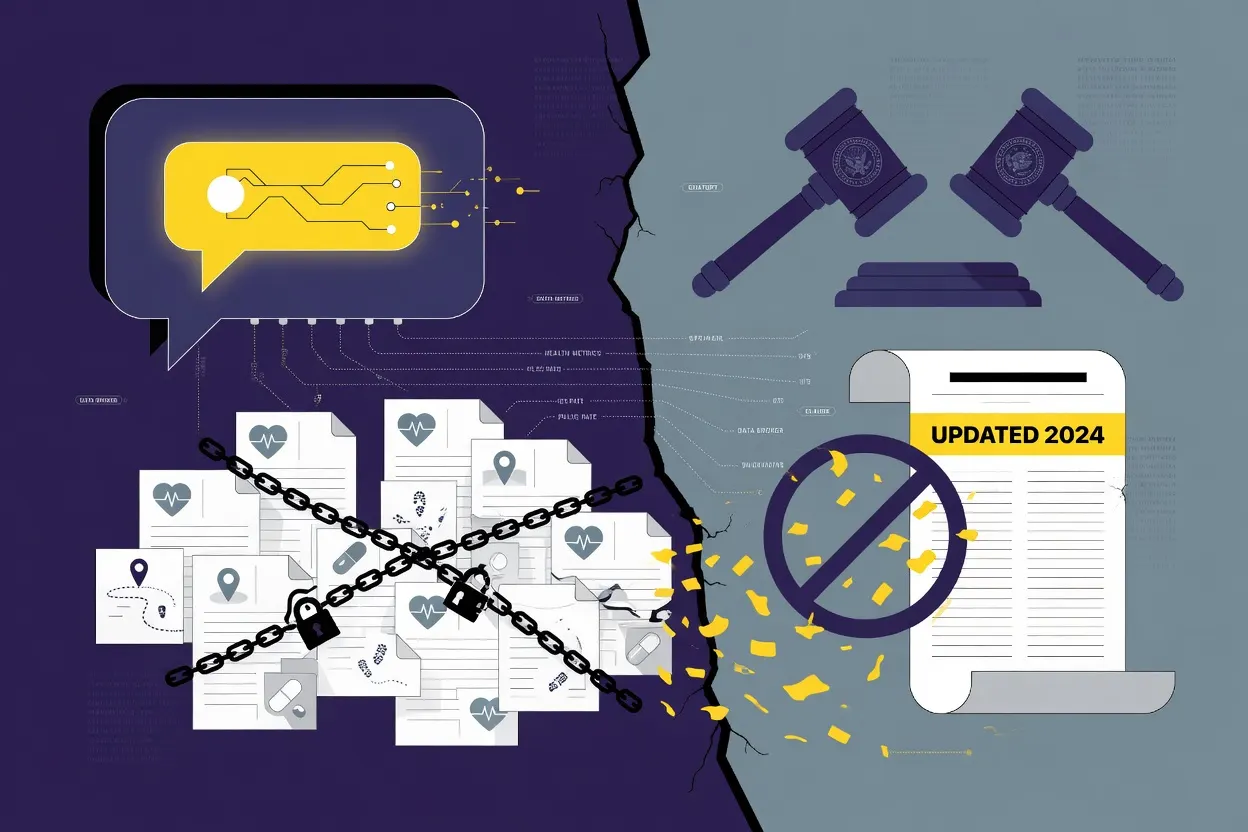
A bipartisan proposal would make it illegal for AI companies to sell health and location data users share with chatbots.
Senator Elizabeth Warren and Representative Mary Gay Scanlon plan to introduce a new version of the Health and Location Data Protection Act in the coming weeks. The original bill, first filed in June 2022, targeted data brokers directly — barring them from collecting and reselling sensitive health and location information. Four years on, the updated version goes further: it would ban any company, including AI platform operators, from selling that data to brokers in the first place. The explicit mention of chatbots like ChatGPT and Claude signals that lawmakers see conversational AI as a meaningful new vector for sensitive data collection.
The distinction matters because millions of people now describe symptoms, share locations, and disclose personal details to AI assistants without any clear understanding of where that information goes. Existing health privacy law, built around insurers and hospitals, has no obvious hook for a company whose core product is a chat interface. Closing that gap before the data-brokerage market prices in AI-sourced health records is the logic here.
The 2022 bill never made it to a floor vote, and this one faces the same structural headwind: data brokers spend heavily on lobbying, and Congress has struggled for years to pass any comprehensive privacy legislation. Whether the AI angle gives it new momentum — or just new marketing copy — remains to be seen.