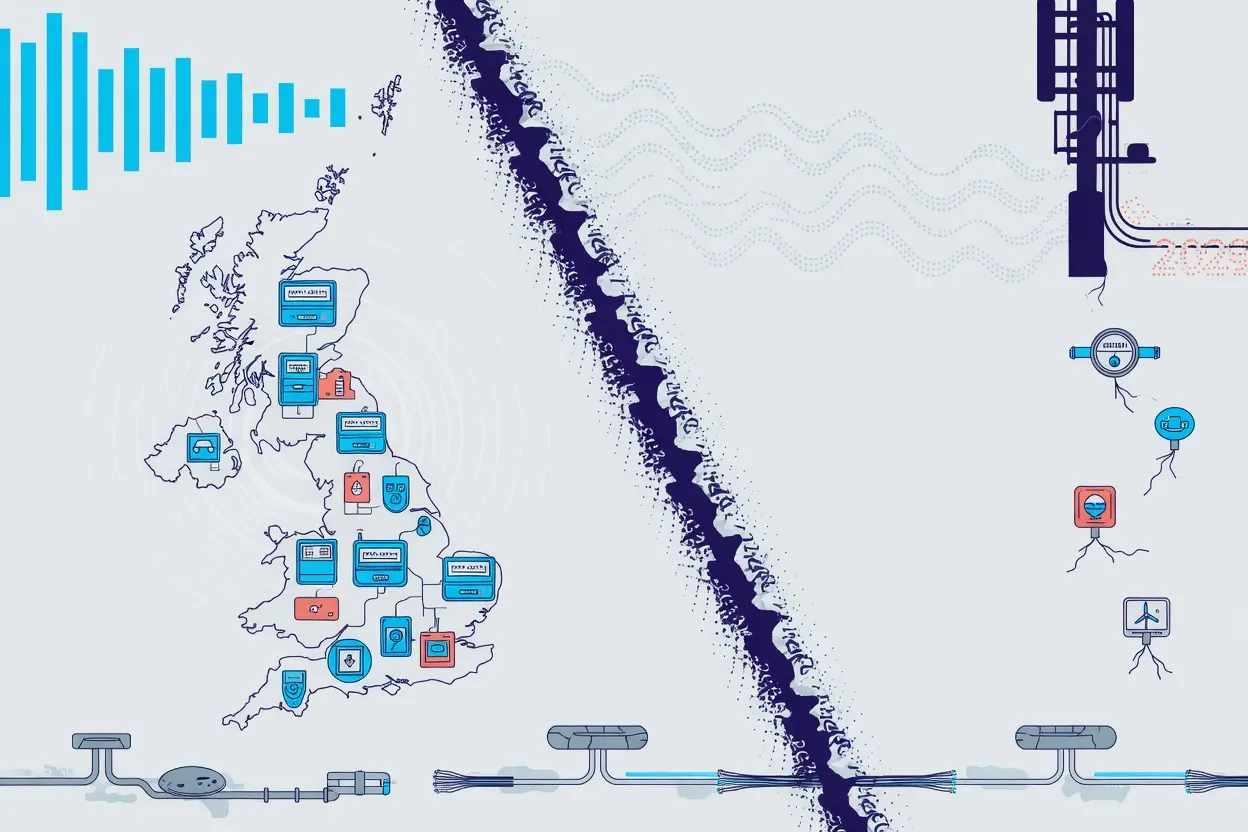
UK mobile operator Virgin Media O2 is ending its 2G network, with the shutdown beginning in 2029.
VMO2 confirmed it will start pulling 2G coverage from 2029, following a 3G wind-down it began in 2025. EE is on the same 2029 timeline; VodafoneThree plans to follow in 2030. The company's CTO Jeanie York acknowledged that most consumers won't feel a thing — modern phones long ago moved on to 4G and 5G. The pain lands elsewhere: IoT devices, smart meters, payment terminals, and alarm systems that were built around 2G and never upgraded.
The shutdown isn't purely a network housekeeping exercise. The UK government has been pushing operators to retire legacy infrastructure on security grounds, citing supply chain risks and cyberattack exposure on older systems. There's a real efficiency argument too: VMO2's 2G network carries just 0.5% of its mobile traffic while eating more than 10% of its total cell site energy — the company says 4G and 5G are ten times more efficient.
The awkward part is the tab for upgrading embedded devices won't fall on the operators. Businesses running connected infrastructure on 2G have a few years to sort it out, but "a few years" has a habit of passing faster than anyone expects when procurement cycles, regulatory approvals, and physical hardware replacements are all in the queue.