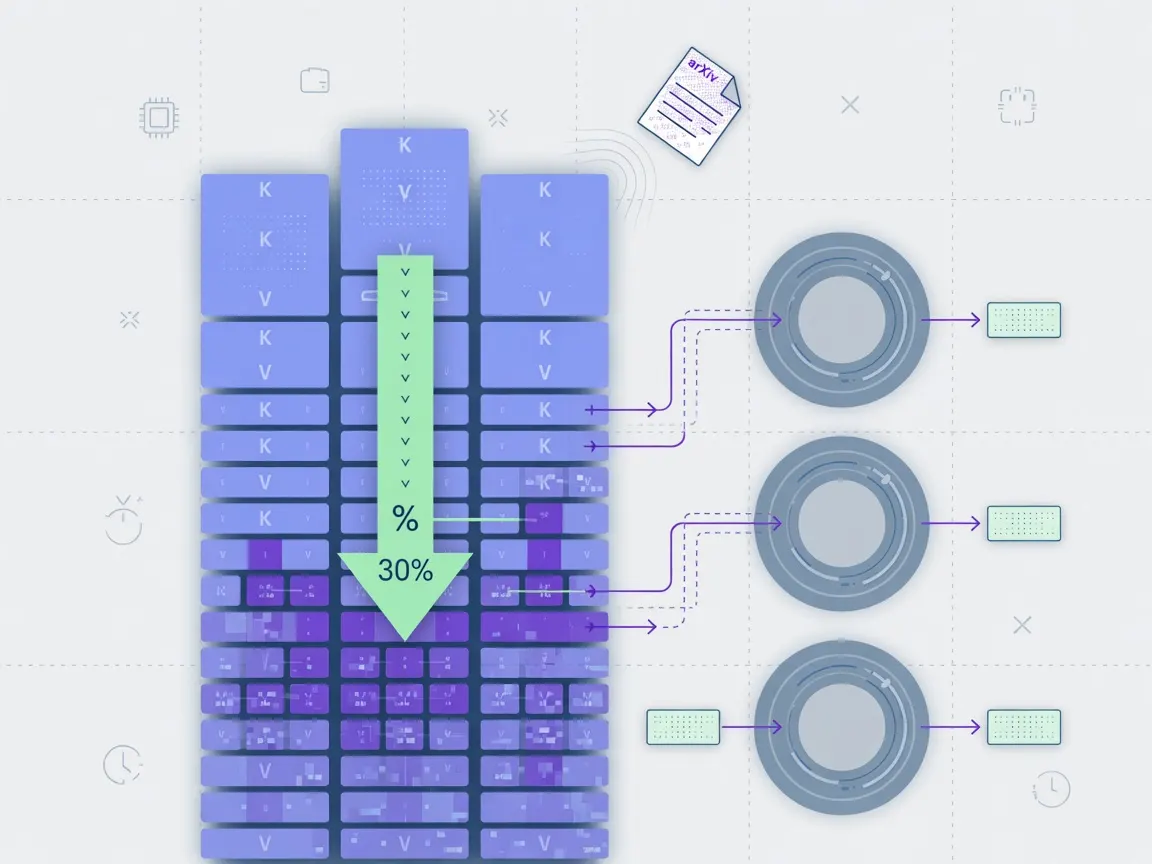
A research paper poses a deceptively simple question: if you paid to run a long document through a language model, should you be able to sell that computational work to someone else?
When a large language model processes a prompt, it builds a key-value cache - a table of intermediate attention computations that lets the model skip reprocessing text it has already read. That cache is not free: it represents real GPU time and real money. The paper, posted this month, frames the question economically rather than technically. The title does not ask whether caches can be shared - technically they can - but whether a market for them should exist.
The question is more grounded than it sounds. Major AI providers already sell prefix caching at the API level, charging less when a request reuses a previously computed prompt prefix. But that is the provider monetizing its own cached work. A user-to-user cache market would go a step further, letting one customer's inference run become another's shortcut. For static, widely-shared documents - court filings, research papers, long codebases - the potential savings from skipping redundant computation compound quickly across thousands of users asking similar questions.
The hard problems do not disappear because the framing is interesting. KV caches break across model versions and context-length changes, so compatibility is fragile. Privacy is thornier: a cache is a compressed encoding of a document's meaning, and what it leaks about the original text or query is an open question. Asking the economic question before those are settled is either prescient or premature - but at minimum it names a tension that is coming regardless.