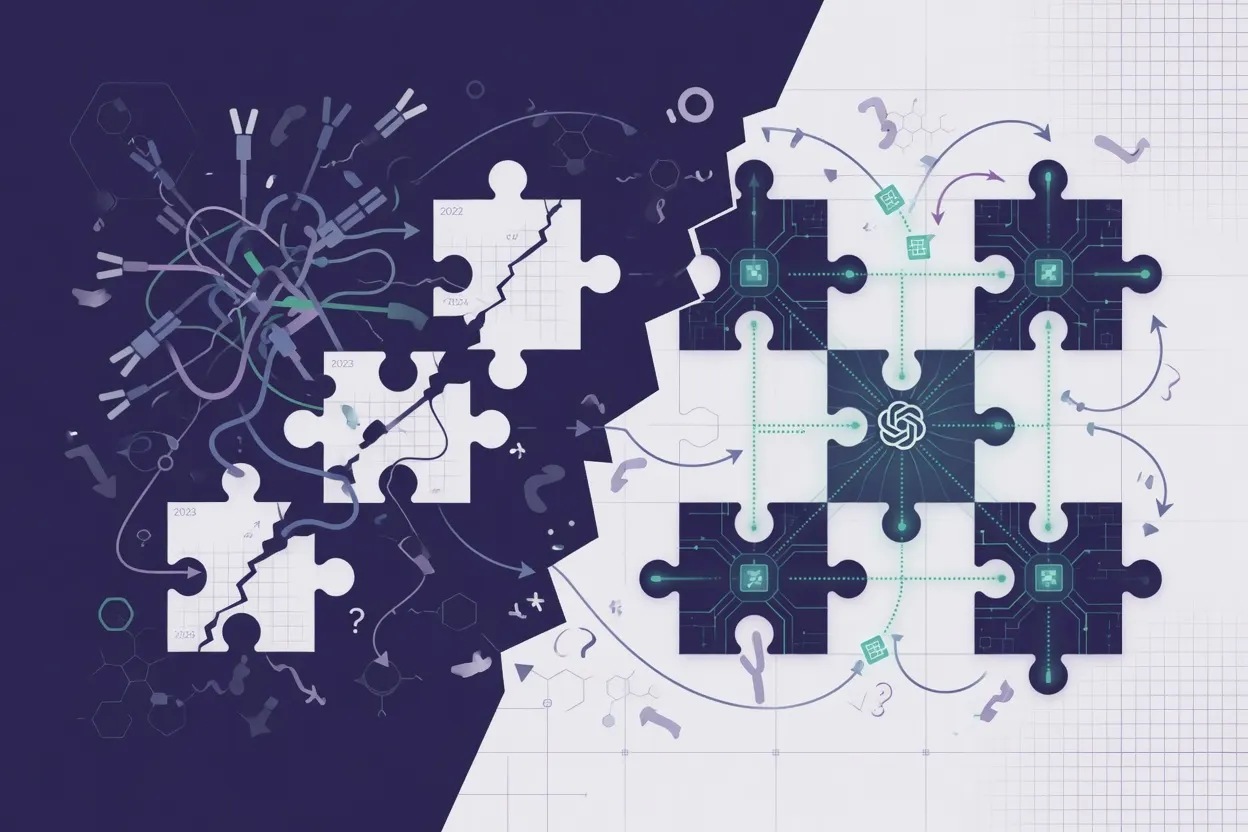
A three-year immunology dead end broke open with an AI assist.
Immunologist Derya Unutmaz had been sitting on an unsolved question about T cell behavior for three years. Using GPT-5 Pro, he found a path through it. The details of the specific mechanism remain scant in OpenAI's account, but the claim is that the model surfaced insights that had eluded conventional research approaches. OpenAI published the story on its own blog, which means the framing is promotional — worth keeping in mind.
The finding, if it holds up to peer review, could have real downstream value. T cell research underpins work on cancer immunotherapy and autoimmune conditions, two areas where even incremental insight tends to matter. The story also fits a pattern: AI tools proving more useful to working scientists as reasoning models get better at synthesizing dense literature.
OpenAI has been leaning hard into research credibility stories lately, and this one arrives without a published paper attached. That gap between "AI helped" and "discovery confirmed" is where a lot of these announcements quietly stall.