Google's Fitbit Air wants to be the wearable that actually uses AI well — and it mostly does, with some caveats.
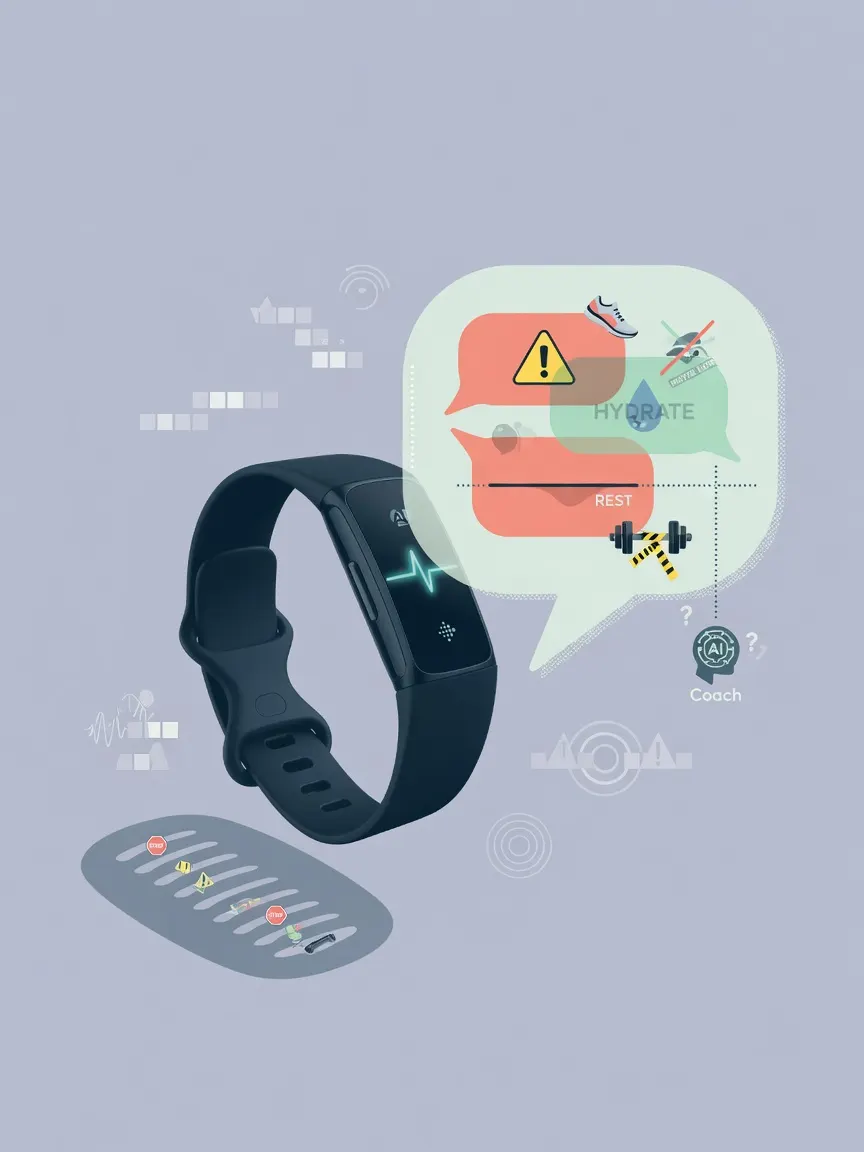
The Fitbit Air tracks the usual metrics: sleep, heart rate variability, readiness, and environmental factors like heat and humidity. Its AI-powered Google Health Coach synthesizes those signals into daily guidance. During a recent review, the coach flagged poor sleep, low HRV, and high ambient temperatures to recommend skipping strength training in favor of hydration and light movement. It even asked follow-up questions about physical symptoms — specifically, whether the reviewer's calves felt any strain.
That kind of nuanced, multi-signal reasoning is genuinely better than the blunt step-count nudges that defined the last decade of fitness wearables. Most AI health features bolt a chatbot onto raw data and call it coaching. The Fitbit Air's approach — synthesizing sleep, recovery, and environment together — is closer to what a thoughtful trainer might actually say.
The catch is that the coach skews conservative. Telling someone to skip a planned workout because it's hot outside and their HRV dipped is defensible advice, but at scale it risks becoming a device that cries wolf. If the AI flags caution on every imperfect day, users will tune it out — which is exactly what happened to the readiness scores that filled the first generation of these features on Oura and Garmin devices.