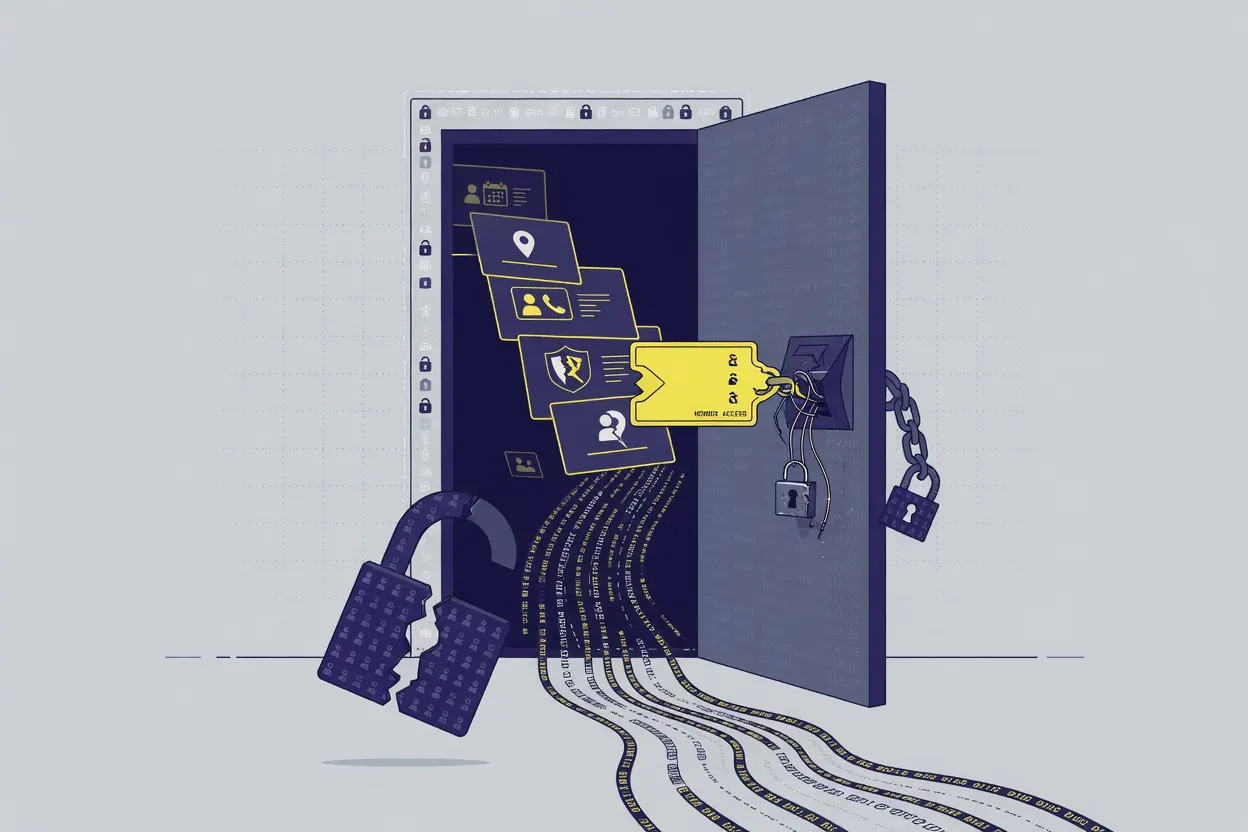
Dialog's member data was sitting in the open — and the group still called it a hack.
Dialog, the invitation-only events network co-founded by Peter Thiel, disclosed that members' personal details were exposed in what it described as a criminal breach. The group's statement pointed to an external bad actor. Reporting found no evidence that any intrusion was necessary to reach the files — the data was accessible due to a website misconfiguration, meaning someone with the right URL and nothing else could have pulled it. Dialog has not detailed which member information was affected or how long it was exposed.
The framing matters. Calling it a hack implies a sophisticated attacker defeated security controls. A misconfiguration means the security controls were never in place. One is a story about a determined threat; the other is a story about negligence. Members of an exclusive network that trades on discretion have a reasonable interest in knowing which one actually happened.
This pattern — breach disclosure that leads with the attacker rather than the failure that enabled them — is a familiar move in corporate incident communications. It tends to minimize reputational damage. Dialog is a small network, but its membership reportedly skews toward tech and finance insiders who should know the difference between a compromised system and an unsecured one.