Most AI translation tools forget what your editor just fixed.
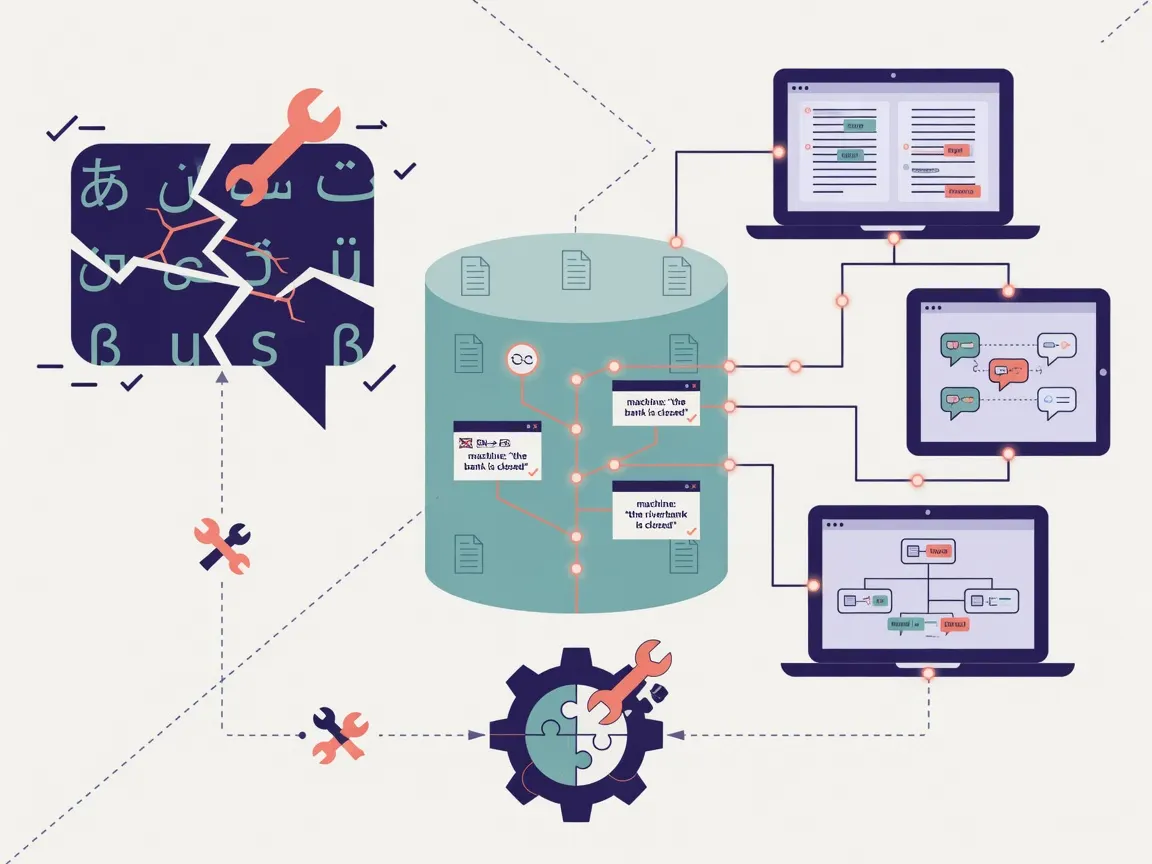
Researchers have introduced DeepTrans Studio, a collaborative workspace built on top of an agentic translation pipeline. Instead of letting human corrections disappear after a single use, the system lets translators and reviewers intercept specific nodes in the workflow, examine the AI's evidence, revise the output, and save that decision to a shared team memory. Those approved decisions then propagate to downstream segments and surface in teammates' workspaces as precedents they can act on. The demo scenario asks participants to resolve terminology conflicts and legal-modal risks - the kind of hairline distinctions that sink contracts and medical documents alike.
The gap this targets is real. Professional translation is not a solo task: terminology choices made by one reviewer affect the legal force of paragraphs a different team member is editing on the other side of the document. When an LLM makes an inconsistent call and a human fixes it silently, that correction dies with the segment. DeepTrans Studio treats the correction itself as a structured artifact - traceable, shareable, and reusable rather than a sticky note only the fixer ever sees.
The system is a demo paper from arXiv, not a shipping product, so the gap between conference prototype and production translation memory tooling remains wide - vendors like Phrase and SDL have spent years building exactly this kind of shared glossary infrastructure, and they will not be impressed by a slide deck.