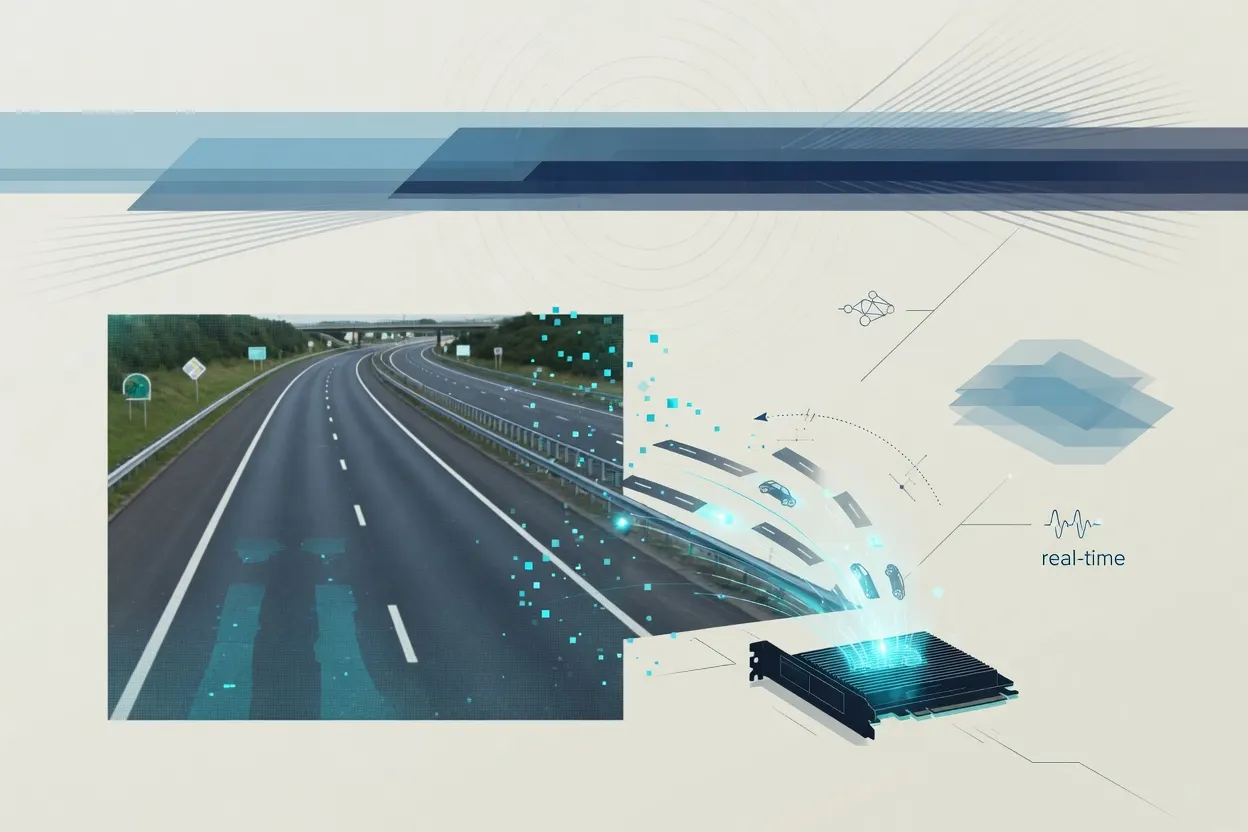
Decart is launching Oasis 3, a real-time world model that generates photorealistic driving environments, and opening it to developers through an API.
The company built Oasis 3 to simulate the scenes autonomous vehicle systems train and test on - roads, traffic, lighting conditions - rendered in real time with photorealistic detail. Developers can access the model through an API to build applications on top of it. The "3" in the name implies prior iterations; this one targets autonomous vehicle development, a higher-stakes domain than what Decart has previously shipped. The company acknowledges the product comes with caveats - though it hasn't specified what they are.
That acknowledgment matters more than the launch itself. The gap between "looks like driving footage" and "accurately represents how a vehicle should respond" is where AV simulation products tend to fall apart. Photorealism is a marketing metric; physical fidelity - how well the simulation predicts real-world sensor behavior, edge cases, and failure modes - is the engineering one that actually determines whether any of this is useful.
The AV simulation market already has serious competition, from internal tools at the major autonomous vehicle programs to dedicated simulation platforms. Decart is betting that an API-first approach draws in developers who want to build without starting from scratch. That's a plausible pitch. But the real test of a driving simulator isn't how good it looks - it's whether someone eventually trusts it to make a call they'd otherwise have made in the real world.