Apple's biggest WWDC AI story wasn't Siri - it was the model underneath it.
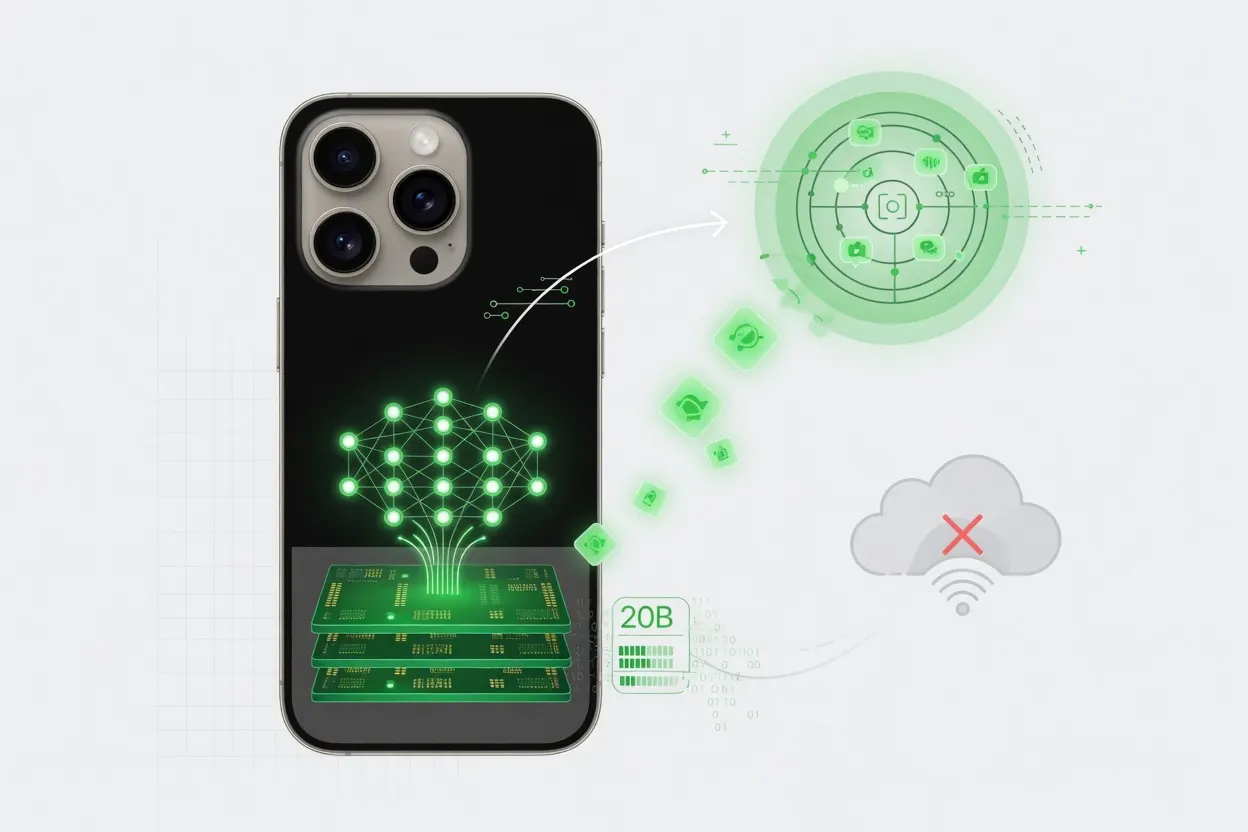
Alongside its developer conference, Apple published a technical breakdown of its third-generation Apple Foundation Models. The headline was a revamped Siri, but the engineering is the more consequential part: the largest model in the family sits at 20 billion parameters, which exceeds what an iPhone's RAM can hold. Rather than shrink the model to fit, Apple built a system that streams weights from flash storage on demand. That is a meaningfully different architecture than simply deploying a smaller model and branding it on-device AI.
Most competing on-device models are kept deliberately small - low single-digit billions of parameters - so they fit comfortably in memory. A 20-billion-parameter model in that same category is a different scale of ambition, and if the latency penalty from flash access is acceptable, it changes what private inference actually means: not a watered-down assistant, but a capable one that never phones home. Apple has leaned on privacy as a marketing differentiator for years; this is the first sign that positioning might hold up at the model capability level too.
Apple hasn't published benchmark numbers yet, so "runs on your phone" remains partly a marketing claim until independent testing catches up.