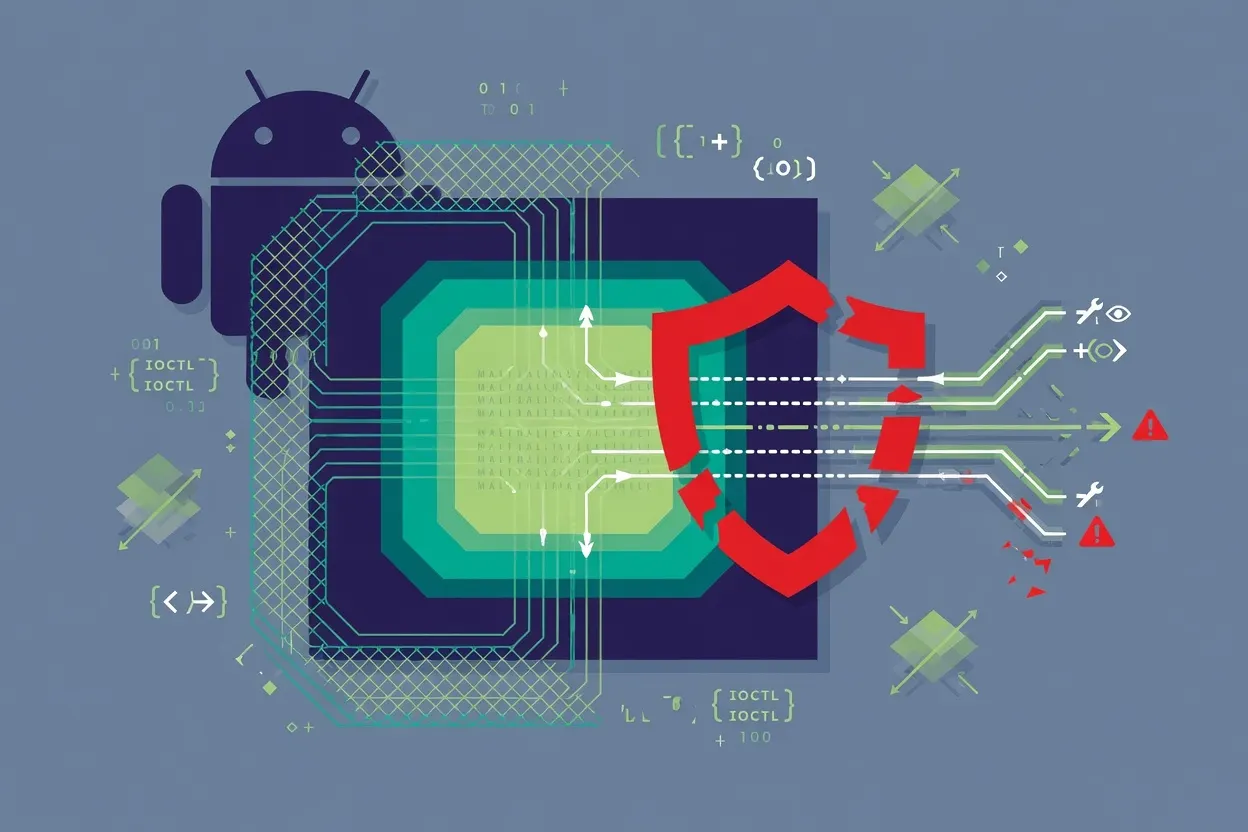
Google is tightening Android's GPU driver — not by patching individual bugs, but by making entire categories of commands unreachable from regular apps.
The Android Security team, working with chip designer Arm, deployed a new SELinux policy landing in Android 16 that sorts Mali GPU driver commands into three buckets: production, instrumentation, and debug. Regular apps now get access to only the production set; the profiling and debugging commands developers use — and that attackers have been exploiting — are blocked by default. Developers who need instrumentation access can still opt in on rooted devices or by flagging their app as debuggable in its manifest. Google staged the rollout cautiously, auditing what broke under the new restrictions before enforcing them broadly.
GPU exploits have been the dominant attack vector for Android kernel drivers since 2021 — the post states this plainly, without corporate softening. The Mali driver sits at the seam between user space and the kernel, so a flaw there can mean full device compromise. Restricting attack surface does not fix existing bugs, but it narrows the list of entry points an attacker can reach before finding one.
The fact that debugging interfaces were accessible from production apps at all is the kind of oversight that tends to look obvious in hindsight — and expensive when it turns up in an exploit chain targeting a chip found in billions of devices.