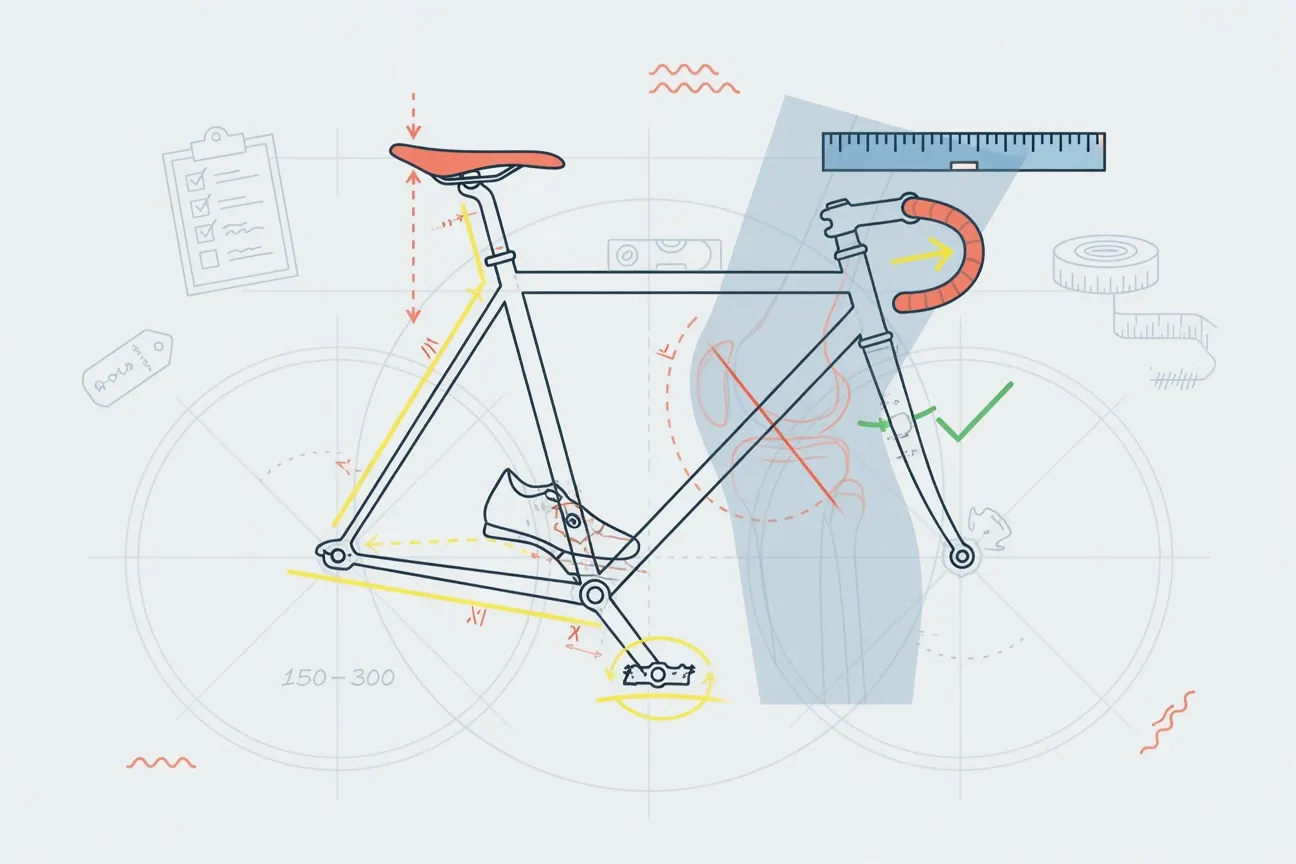
Getting a professional bike fitting means sitting on a stationary bike while someone watches you pedal. They adjust your saddle height, handlebar reach, and cleat position. They may film you from the side or behind. They ask about your goals, your pain points, how often you ride. Then they hand you a printout with numbers on it.
That process, which costs anywhere from $150 to $300 depending on the shop and the depth of the analysis, has become more popular as cycling regained mainstream appeal during the pandemic and stayed popular. Shops that once offered fittings as an afterthought now book weeks out. Some cyclists treat it like a right of passage. Others wonder why they'd pay someone to adjust a bike they've been riding for years.
The pitch is straightforward: a proper fit reduces discomfort, improves efficiency, and may prevent long-term joint damage. The reality is more nuanced. If you ride three times a year on a cruiser bike, a fitting won't transform your experience. If you're logging 50 miles a week or racing, the investment can pay off in both comfort and performance. The key variable isn't the fitter's certifications — it's whether your current setup actually causes you problems.
What you're paying for is someone else's time and a set of standardized adjustments, not a miracle. The fitter isn't magic. They're applying the same principles you'd find in a YouTube video, but with hands-on feedback. If your knees hurt after 20 miles or your hands go numb, a fitting might help. If everything feels fine, save the money.